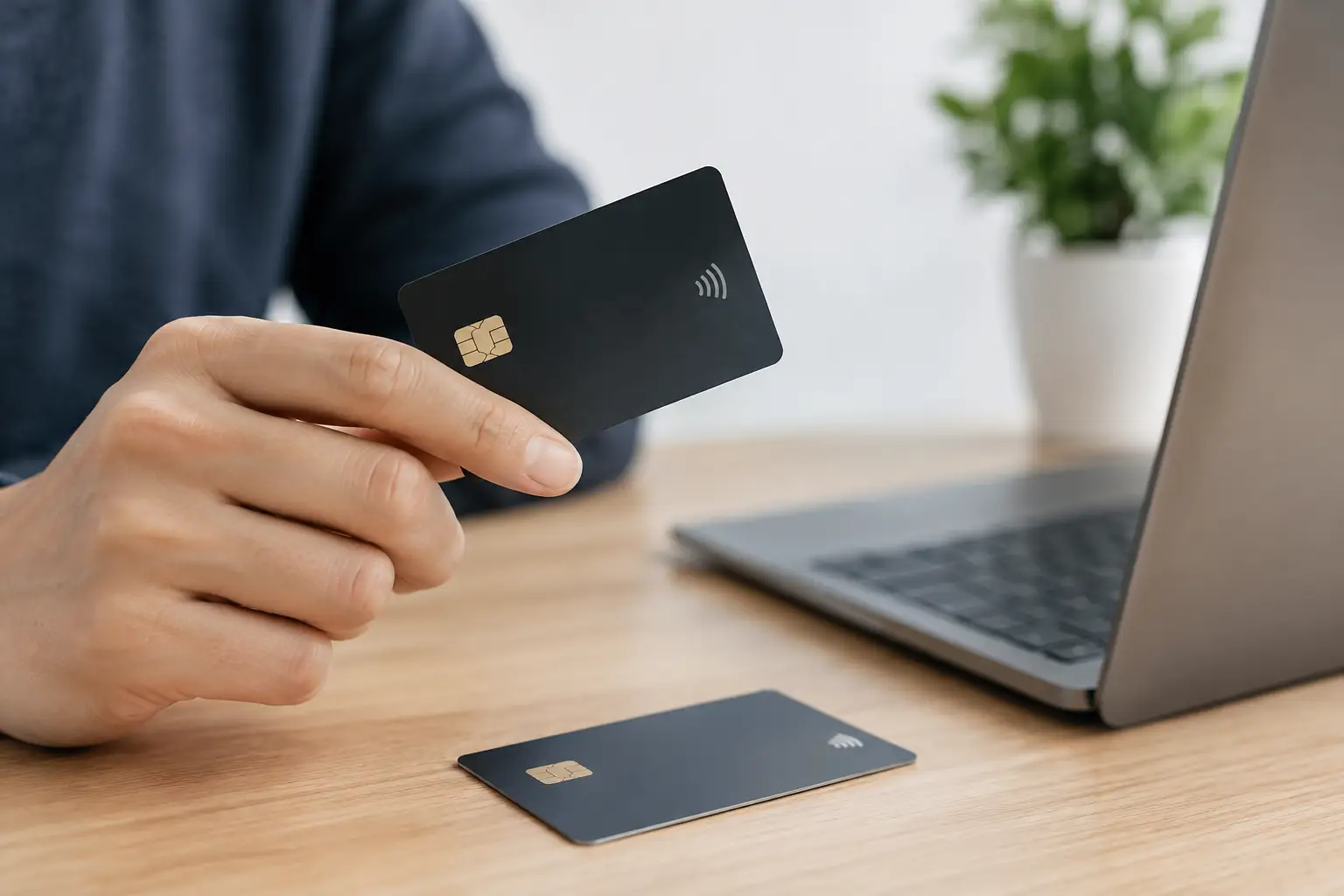
A copied access card can turn a controlled entry point into an unknown security gap. The door may still show as locked, the reader may still look normal, and staff may never notice a problem until property goes missing or an incident has to be investigated. That is what makes card cloning risks a practical concern for homeowners, property managers, and business operators - the weakness is often invisible until access records matter most.
Card cloning is commonly associated with payment cards, but the same concern applies to many older building access credentials. If a credential uses a format that can be read and duplicated with readily available equipment, an unauthorized person may be able to create a working copy without taking the original card for long.
What card cloning looks like in access control
In an access control setting, cloning occurs when someone copies the data from a legitimate credential and places it on another card, fob, or compatible device. The copied credential can then present the same identity to a reader. If the system only checks that identity and does not verify stronger authentication data, the door may unlock as though the authorized cardholder is present.
Older proximity cards and some magnetic-stripe systems are more vulnerable because they often rely on static data. Static data does not change from one use to the next. Once it is captured, it can potentially be replayed by a duplicate credential.
Newer credential technologies can use encryption, secure keys, and mutual authentication between the card and reader. Those protections make unauthorized copying substantially harder. Harder does not mean impossible in every circumstance, but it changes the level of effort and equipment required.
The risk level depends on the credential technology, the reader hardware, how the system is programmed, and the value of the spaces being protected. A basic amenity-room door has different exposure than a server room, pharmacy storage area, leasing office, or a home with detached-garage access. The right response should match the consequence of unauthorized entry.
Why card cloning risks create operational problems
Unauthorized entry is the obvious concern, but card cloning can also create an accountability problem. When two people use credentials with the same identity, an access log can show the original cardholder's credential at the door without proving that person was physically there.
For a business, that can complicate theft investigations, incident reports, and employee management. For a multifamily property, it can make resident complaints harder to resolve. For homeowners, a duplicated community or gate credential may create a concern that is difficult to track because the copied card can work long after the original was issued.
There is also a response-time issue. When a physical key is lost, many people understand that a lock may need to be rekeyed. When an access card is briefly out of sight, it may be returned with no visible damage. A copied credential can remain active unless the system administrator removes or replaces it.
This is why access control should be treated as more than a door reader and a stack of cards. It is an operating system for who can enter, when they can enter, and how quickly permissions can be changed when circumstances shift.
Common warning signs to take seriously
A single unusual event does not always indicate cloning. Doors can be left unsecured, credentials can be shared, and records can be incomplete. Still, certain patterns deserve prompt review.
Repeated access attempts outside normal schedules, access events attributed to an employee who was documented elsewhere, and reports of doors opening without a clear authorized user are all reasons to check the system. So are unexplained credential failures after a lost card has supposedly been recovered, or a sudden increase in requests for replacement badges.
Property managers should also look for administrative gaps. If former tenants, contractors, or employees may still have active credentials, the issue is not necessarily cloning, but the outcome is similar: people retain access they should no longer have.
A useful investigation starts with the basics. Confirm that door hardware is functioning, review access schedules, compare events with camera footage where available, and verify who has administrative authority to add, remove, or modify credentials. Access logs are more valuable when cameras, door position monitoring, and credential records are organized under a clear operating process.
How to reduce card cloning risks
The first step is to identify what type of credentials and readers are already in use. Many properties have expanded in phases, leaving different technologies at different doors. A system may have modern readers at a main entrance but older, easier-to-copy credentials on secondary doors, gates, or shared amenities.
Use more secure credentials where risk is highest
Replacing every card immediately is not always necessary. A phased upgrade can prioritize areas where unauthorized entry would have the greatest impact, such as management offices, equipment rooms, inventory storage, IT spaces, and resident-only access points.
Secure smart credentials, encrypted cards, and mobile credentials can reduce reliance on easily copied static data. Mobile credentials also offer practical management benefits: they can be issued remotely, revoked quickly, and may eliminate the need to retrieve a physical card from a departing employee or tenant.
The trade-off is cost and compatibility. New credentials may require updated readers, controller configuration, and a clear enrollment process. For a small property with limited access points, a targeted upgrade may be the most efficient path. For a large facility, a planned migration helps avoid operational disruption.
Remove access quickly and consistently
A strong credential is only useful while access rights are managed well. Establish a documented process for onboarding, offboarding, lost-card reports, contractor access, and periodic credential reviews.
When an employee leaves, a tenant moves out, or a vendor completes a project, deactivate access promptly. Avoid shared credentials whenever possible. Shared cards may seem convenient for maintenance or shift coverage, but they weaken accountability and make investigations harder.
For temporary users, set expiration dates rather than relying on someone to remember to remove access later. This is especially useful for cleaners, delivery access, short-term vendors, and construction crews.
Add layers at sensitive doors
A card alone should not be the only protection for every location. Higher-risk spaces may warrant a second factor, such as a PIN, biometric verification, staffed approval, or a monitored video intercom. The goal is not to make every door difficult to use. It is to apply additional verification where a copied credential would create a serious problem.
Video surveillance also strengthens incident response. A camera positioned to capture the approach to a door can help verify whether the person using a credential matches the expected user and whether anyone tailgates through after entry. Door contacts can add another useful data point by showing when a door is forced open or held open too long.
Protect the administrative side of the system
Credential cloning is not the only way unauthorized access happens. Weak administrator passwords, unrestricted management software, and poorly controlled enrollment stations can create similar exposure.
Limit administrative permissions to people who need them. Use individual administrator accounts instead of shared logins, require strong passwords and multifactor authentication where supported, and keep a record of who can issue credentials. If a property uses a managed access platform, confirm who receives alerts and who has authority to make changes after hours.
What to do if a credential may have been copied
Treat a suspected clone as an access-control incident, not just a missing-card issue. Disable the affected credential or replace its identity in the system, then issue a new credential to the authorized user. If the original card is still in circulation, do not assume it is safe simply because it was recovered.
Next, review recent events for the credential and check related camera footage if available. Look beyond the primary door. A copied card may have been used at side entrances, elevators, gates, amenity areas, or storage rooms.
If the incident involves a high-security area, review other active credentials, administrator activity, and reader technology at that location. One suspicious credential can reveal a broader process problem, especially when an older card format has been in place for years.
A qualified low-voltage security contractor can assess existing readers, credentials, controllers, and management practices, then recommend upgrades that fit the property rather than forcing a full replacement without a clear reason. For Florida properties that need a unified plan for access control, surveillance, and ongoing service, 1 Stop Security can help organize that process from assessment through implementation.
The practical goal is simple: make access easy for authorized people, difficult to copy for everyone else, and quick to manage when access needs change.