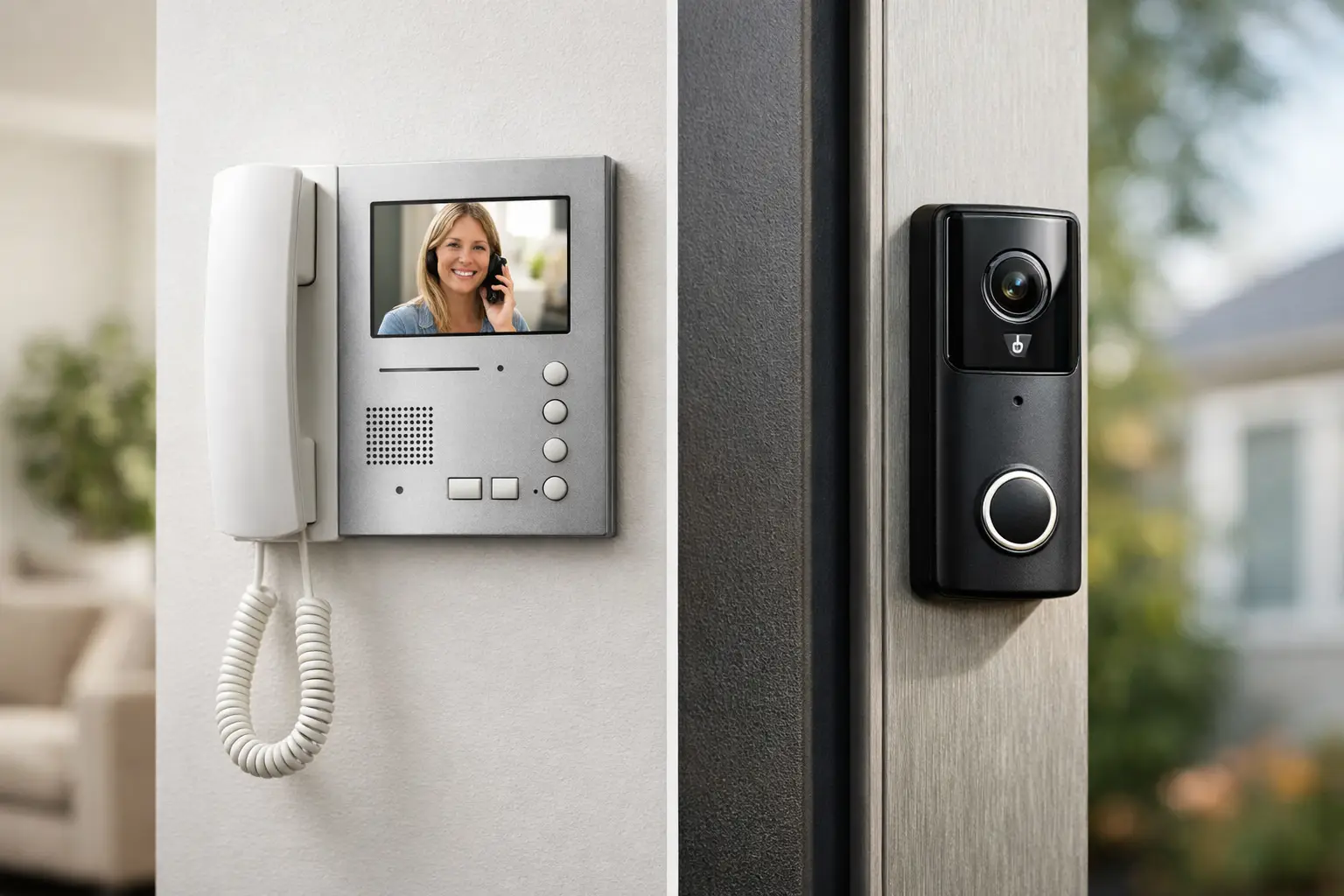
A visitor arrives at a gated driveway, a delivery driver needs a code, and a resident is away from the property. The right entry system should handle all three without creating more work for the owner or property manager. When comparing intercom systems versus video doorbells, the main question is not which device has a better camera. It is whether you need a simple front-door notification tool or a managed access point for people, gates, doors, and multiple users.
For a single-family home with one primary entrance, a video doorbell can be a practical and cost-effective choice. For gated homes, multifamily buildings, offices, warehouses, and properties with controlled entrances, an intercom system usually provides the stronger operating model. The best result comes from planning the entry point, user workflow, network connection, and access permissions together.
What a Video Doorbell Does Well
A video doorbell is designed around a straightforward use case: someone presses a button, the property owner receives an alert, sees live video, and can speak through a mobile app. Most models also provide motion alerts and recorded clips, depending on the device and subscription plan.
This approach works well at a front door where convenience is the priority. Homeowners can check who is outside while at work, tell a delivery driver where to leave a package, or speak with a guest before opening the door. Installation can be relatively simple when existing doorbell wiring and reliable Wi-Fi are available.
Video doorbells are also familiar to most users. The app-based experience requires little training, and the equipment cost is often lower than a professionally installed intercom. That makes them a sensible option for a condo unit, townhouse, or home with one entrance and no automated gate.
The limitations appear when the device is expected to manage access rather than observe it. A video doorbell can show who is at the door, but it does not automatically provide a complete method for unlocking a pedestrian gate, opening a vehicle gate, issuing credentials to staff, or managing visitor access across several entry points. Some models can connect to smart locks or gate controllers, but those connections need careful design to remain reliable and secure.
Where Intercom Systems Take the Lead
An intercom system is built for communication and access control at an entry point. Depending on the system design, visitors can call a resident, tenant, office, or reception desk through a dedicated station or mobile app. Authorized users may gain entry through a keypad code, mobile credential, key fob, card reader, directory, or remote release command.
At a gated residence, the intercom can be mounted at the vehicle entrance and tied directly to the gate operator. At a commercial property, it can connect to an electric strike, magnetic lock, access control panel, or multiple controlled doors. In a multifamily setting, it can route calls to individual units while maintaining an organized directory and permission structure.
That structure is the key difference. Intercoms are not just cameras with two-way audio. They are part of the property’s entry workflow. A properly installed system can document activity, control who can enter, and give managers a way to add or remove access when residents, employees, vendors, or tenants change.
For Florida properties, outdoor durability and installation planning also matter. Entry equipment must hold up to heat, humidity, heavy rain, and direct sun. Gate locations may require trenching, low-voltage cabling, network extensions, surge protection, and coordination with the gate operator. A system designed for the environment will be more dependable than a consumer device added after the fact.
Intercom Systems Versus Video Doorbells: The Practical Differences
The choice becomes clearer when you look at how the property operates day to day.
A video doorbell is generally best for notification and visual verification. It lets a homeowner answer the door remotely, review a visitor, and monitor package activity. It is a strong fit when there is one entrance, a limited number of users, and no need for formal access credentials.
An intercom system is generally best for controlled entry. It supports conversations with visitors, remote door or gate release, user permissions, and integration with other security equipment. It is the better fit when access needs to be managed across a household, staff, tenants, visitors, or service providers.
There is also a difference in how each system handles growth. Adding another video doorbell may work for a side door or back entrance, but multiple separate apps and devices can become difficult to manage. An intercom and access control platform can be designed around several doors, gates, cameras, and users from the start.
Neither approach is automatically right in every situation. A homeowner with a standard front door may not need the cost or capability of a full intercom. Conversely, a property manager should not rely on a basic video doorbell when they need to control gate access for dozens of residents and vendors.
Consider the Full Cost, Not Just the Device Price
The equipment price is only one part of the decision. Video doorbells may require cloud recording subscriptions for longer video history, advanced alerts, or multiple cameras. They also depend heavily on Wi-Fi coverage, app access, and available power at the door.
Intercom systems typically involve a higher initial investment because they are installed as part of the property infrastructure. Costs can include the entry station, indoor or mobile communication setup, cabling, power supplies, gate or lock interfaces, network equipment, and programming. However, that investment can reduce operational friction when the system replaces manual gate operation, outdated call boxes, unmanaged keys, or inconsistent access procedures.
For commercial and multifamily properties, consider the administrative cost as well. If a manager must repeatedly change keypad codes, distribute keys, answer calls from delivery drivers, or respond to access problems after hours, a well-configured intercom and access system can save time. The right system should make it easier to assign, revoke, and monitor access without reworking the entire setup each time.
Installation Details That Affect Reliability
A good entry system is only as dependable as its power, network, wiring, and configuration. This is where a professional site review adds value.
First, determine how the entry point will communicate. A Wi-Fi device needs a strong, stable signal at the door or gate, not just inside the building. For more critical locations, hardwired network connections are often preferable. They avoid common range issues and can support power and data through a single cable when the system uses Power over Ethernet.
Second, confirm the release hardware. Opening a pedestrian gate, electric strike, maglock, overhead gate, or vehicle gate operator involves different wiring and safety requirements. The intercom must be compatible with the existing equipment, and the release method should work correctly during normal use, power interruptions, and emergency conditions.
Third, plan the user experience. A visitor should know whom they are calling. Residents or employees should have a clear way to answer and grant access. Managers should be able to update users without needing a service visit for every routine change. A system that is technically capable but confusing to operate will create avoidable support calls.
Finally, account for video coverage. An entry intercom camera identifies the person requesting access, but it may not capture the full approach, vehicle, or surrounding area. Pairing it with properly placed surveillance cameras can provide a better record of activity at gates, loading areas, parking entrances, and front doors.
Choosing the Right System for Your Property
Start with the entry points you need to protect and the people who use them. A single front door with occasional visitors calls for a different solution than a gated estate, medical office, warehouse, apartment building, or short-term rental property.
Choose a video doorbell when the goal is simple visitor awareness at one or two doors. It is usually the practical option for owners who want mobile alerts, two-way conversation, and basic video verification without building a broader access system.
Choose an intercom when the goal is organized access management. It is the stronger choice for gates, controlled doors, multiple users, tenant directories, staff credentials, and properties that need entry operations tied to security cameras or access control.
For properties with more than one need, a combined design may be appropriate. An intercom can manage the main gate or building entrance, while video doorbells monitor less critical residential doors. The equipment does not need to be identical at every opening. It needs to support a clear, manageable security plan.
Before purchasing equipment, walk the property and map how visitors, residents, employees, vendors, and deliveries actually move through it. That simple exercise often makes the decision clear. The right entry system is the one that gives the property owner control without making daily access harder for everyone else.