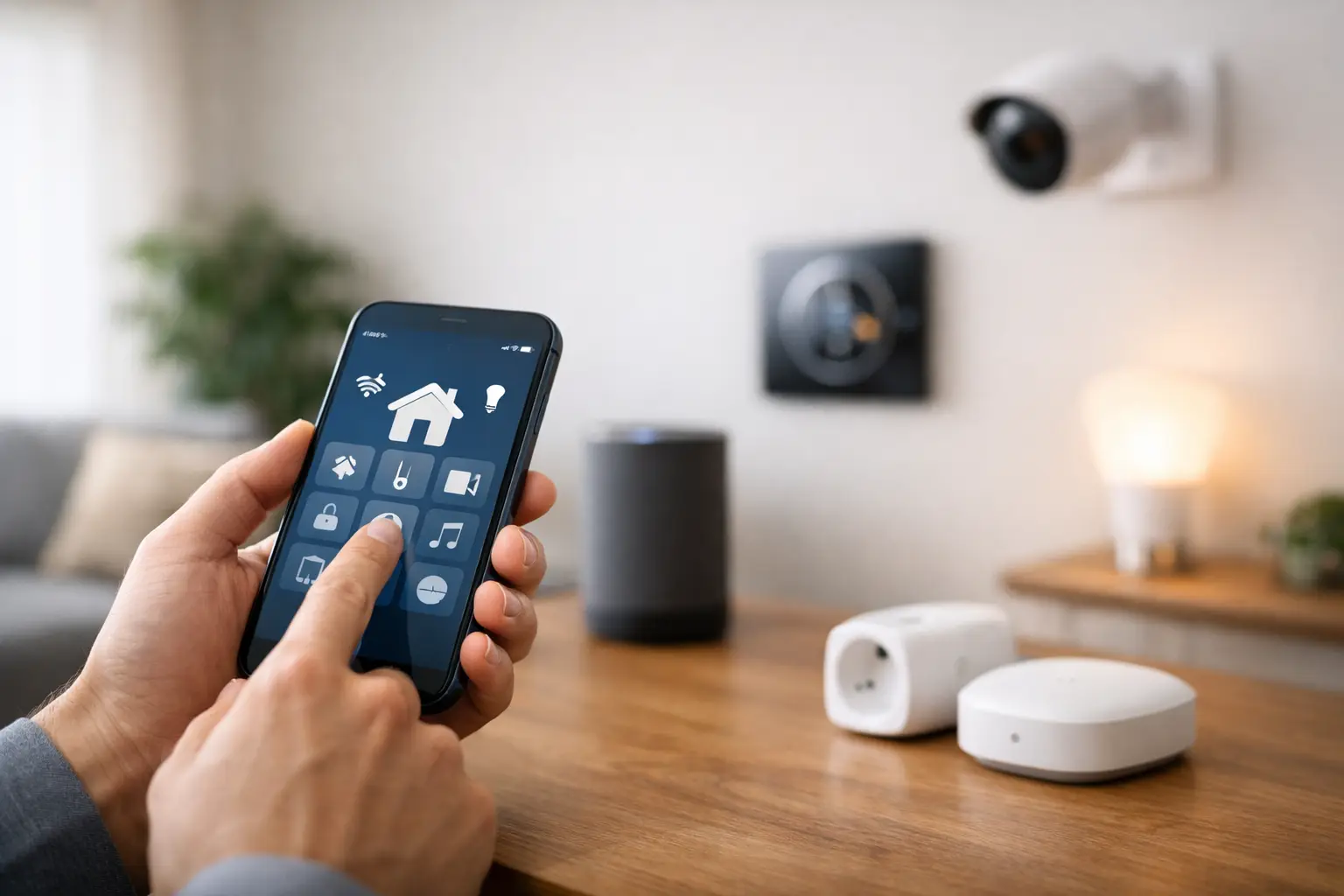
A front door left unlocked, lights burning in an empty room, an AC system running harder than it should - these small issues add up fast. That is why is smart home automation important to so many homeowners and property managers. It gives you better control over what is happening on your property without forcing you to manage every device manually.
Smart home automation is not just about adding gadgets. When it is planned correctly, it becomes part of how a home operates. Security devices, lighting, climate control, access systems, cameras, and alerts work together in a more organized way. The real value is not novelty. It is visibility, faster response, fewer missed details, and less day-to-day friction.
Why Is Smart Home Automation Important for Daily Control?
Control is one of the main reasons people invest in automation. In a standard setup, each device works on its own. You adjust the thermostat in one app, check a camera in another, and manage lighting somewhere else. That creates confusion fast, especially for larger homes or busy households.
A properly integrated smart home setup reduces that clutter. Instead of treating every system as separate, automation connects them into one workflow. You can arm a security system, lock doors, turn off lights, and adjust temperature settings from one place or through pre-set routines.
That matters because most property problems are not caused by major failures. They come from missed steps and delayed responses. If you are leaving for work, managing a second home, or handling multiple units, automation creates consistency. The property behaves the way you want it to behave, even when you are not standing there.
For homeowners, that means less mental load. For property managers and business owners, it means better oversight without more manual work.
Security Is Stronger When Systems Work Together
Security is where automation makes the biggest operational difference. A camera by itself records activity. A smart lock by itself controls entry. An alarm by itself sends an alert. Those tools are useful, but they become far more effective when they are connected.
For example, a motion event can trigger lights, start camera recording, and send a notification immediately. A door unlocked for a delivery can relock automatically after a set period. An alarm event can be paired with live video access so you are not making decisions with partial information.
This kind of coordination improves response time. It also reduces the chance that something gets missed because one system did not communicate with another.
For families, that can mean knowing when kids arrive home, seeing who is at the door, and getting alerts for unusual activity. For commercial properties, it can mean tighter control over entry points, after-hours monitoring, and better visibility into who accessed the building and when.
The important point is simple. Better security is not only about adding more hardware. It is about making systems act as one organized system instead of separate parts.
Why Is Smart Home Automation Important for Energy Efficiency?
Energy savings are often treated as a bonus, but for many properties they are a practical reason to automate. Heating, cooling, lighting, and shade control all affect operating costs. When those systems run on fixed habits instead of actual occupancy or schedules, waste is common.
Automation helps correct that. A smart thermostat can adjust based on time of day, occupancy, or whether the property is in home or away mode. Lighting can turn off automatically in unused spaces. Exterior lights can run on schedules tied to sunset and sunrise instead of being left on all night by mistake.
In Florida, this matters even more. Cooling systems carry a heavy load for much of the year, and small inefficiencies become expensive over time. If a property sits vacant for part of the week, or if a vacation home is not occupied regularly, automation helps prevent unnecessary HVAC use while still maintaining safe, comfortable conditions.
That said, savings depend on the quality of the setup. Buying a few smart devices does not automatically lower utility bills. Real efficiency comes from proper programming, realistic schedules, and systems that match how the property is actually used.
Convenience Matters More Than People Expect
Some people hear the word convenience and assume it means luxury. In practice, convenience is about reducing repetitive tasks and making a property easier to manage.
Think about routines that happen every day. Locking doors at night, adjusting lights in the morning, changing temperature settings before bed, checking cameras when away, or confirming that a garage door is closed. None of these are difficult on their own. The problem is the repetition, and the fact that one missed step can create a security or energy issue.
Automation reduces those gaps. You can create routines that handle common actions at the right time or based on specific triggers. A goodnight routine might lock doors, arm the alarm, turn off selected lights, and set the thermostat. An away routine might close the garage, shut off interior lights, and enable alerts.
This is especially useful for households with children, older adults, frequent travel, or multiple users with different schedules. It is also useful for rental or multi-property scenarios where consistency matters more than convenience alone.
Good automation does not remove control. It gives you both options - manual control when needed and automation when it saves time.
It Helps Manage Properties Remotely
Remote visibility is one of the most practical reasons to invest in smart automation. Whether you are a homeowner at work, a landlord between properties, or a business owner off-site, being able to check status and make changes remotely is a major advantage.
You can confirm whether doors are locked, review camera activity, adjust system settings, receive alerts, and in some cases grant temporary access without traveling to the property. That saves time, but more importantly, it shortens the delay between noticing a problem and taking action.
For second homes and seasonal properties, this becomes even more important. Empty properties are harder to monitor and slower to respond to when something goes wrong. Automation helps close that gap by giving you a constant line of sight into key systems.
Remote control also improves coordination with service providers, guests, staff, or tenants. Temporary codes, scheduled access, and event notifications create better oversight than old-style key handoffs and guesswork.
The Trade-Offs Are Real
Smart home automation is valuable, but it is not magic. Poorly selected products, weak Wi-Fi, too many disconnected apps, and unclear user permissions can create frustration instead of efficiency.
That is why system design matters. The question is not just which devices to buy. It is how they will work together, who needs access, what actions should be automated, and what should stay manual. A family home has different priorities than a retail space or multi-unit property. A vacation home has different needs than a full-time residence.
There is also a balance between convenience and complexity. More automation is not always better. If a routine is too aggressive or poorly timed, it can create interruptions. If notifications are excessive, users start ignoring them. A useful system is one that is organized, reliable, and easy to operate under normal conditions.
This is where professional planning makes a difference. A well-executed setup accounts for layout, use case, network conditions, security priorities, and ongoing service needs. For many properties, that is the difference between a system people actually use and one they bypass after a few weeks.
Smart Automation Supports Long-Term Property Value
There is also a broader reason smart automation matters. Expectations have changed. Buyers, tenants, and occupants increasingly expect connected access, modern security, and easier control of core systems.
That does not mean every property needs the most advanced package available. It does mean that organized, up-to-date technology is becoming part of how people judge convenience, safety, and readiness. A home or commercial space with integrated cameras, access control, lighting automation, and climate management often feels more functional and better maintained.
For owners, that can support marketability as well as day-to-day performance. For operators, it can reduce service headaches and make properties easier to supervise.
The strongest setups are usually the ones built with a clear plan, not just added piece by piece. That is why many clients choose a single-source provider like 1 Stop Security to handle design, installation, integration, and support under one service process.
Smart home automation matters because it turns scattered devices into a system you can actually manage. When it is designed around your property, your routine, and your security priorities, it gives you more than convenience - it gives you a cleaner, more dependable way to run the space every day.